
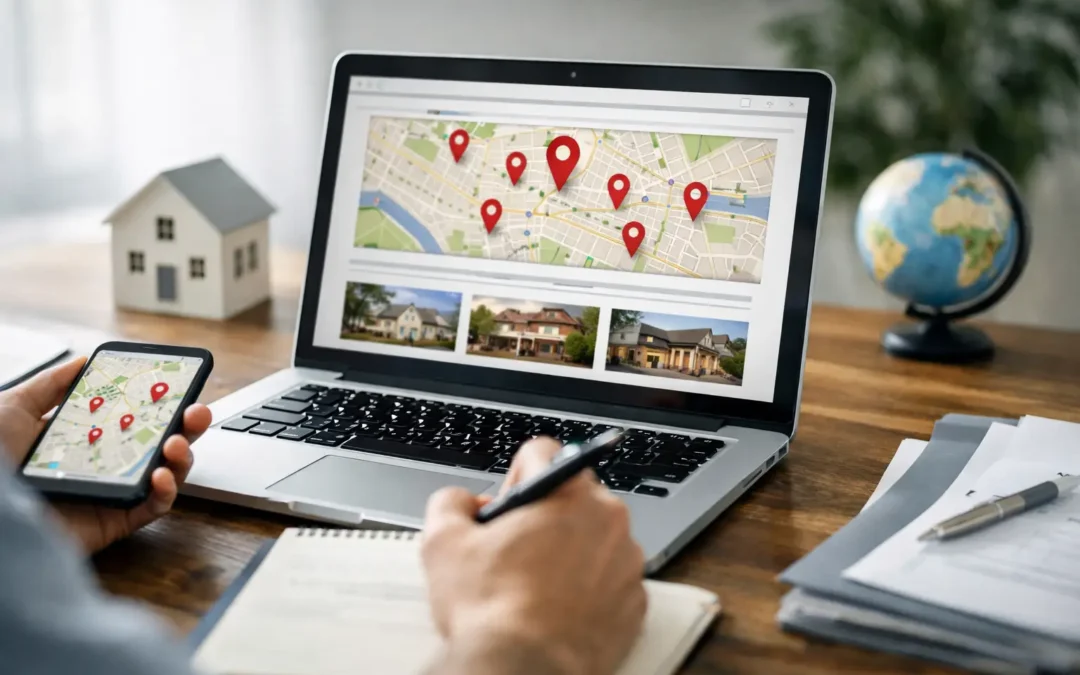
A location page should do more than swap one city name for another. When you know how to write location pages that reflect a real local market, answer buyer questions, and prove your business belongs in that area, they can become high-performing assets for rankings, calls, form submissions, and booked jobs.
That is the difference between a page Google ignores and one that helps your business take ground from competitors in search results. For service businesses, professional firms, and multi-location companies, the opportunity is significant. People are searching for solutions near them with clear intent. Your location pages need to give them a clear reason to choose you.
Start With the Search Opportunity, Not a City List
The biggest mistake businesses make is creating a page for every nearby town because it sounds like an easy way to rank. A long list of thin pages with nearly identical copy is not a local SEO strategy. It can look like doorway-page spam, frustrate visitors, and dilute the value of your website.
Start by identifying the locations where you have a real commercial case to compete. That may mean cities where you have a physical office, established crews, active clients, local service coverage, or strong demand for your services. A Calgary law firm may deserve a strong Calgary page first, then separate pages for surrounding communities only if it actively serves those markets and can speak credibly about them.
Match the page to the way prospects search. Some searches are broad, such as “plumber in Denver.” Others are service-specific, such as “emergency water heater repair in Aurora.” If each location has meaningful demand across multiple services, a primary city page can link to focused service-area pages. If demand is narrow, one well-built page may do more than five weak ones.
Build Each Page Around a Clear Local Intent
A strong location page has one job: connect a person in a particular area with the exact service they need. The page should make that connection obvious within seconds.
Lead with a direct, locally relevant headline. Avoid generic claims such as “Your Trusted Partner.” Say what you do and where you do it. For example: “Commercial Roofing Services in Phoenix” is clear, useful, and aligned with a high-intent search.
Your opening copy should immediately establish relevance. Explain the core service, the market served, and the outcome the customer can expect. Then support those claims with details that a local prospect actually cares about: response times, scheduling coverage, licensing, project types, financing, service radius, or experience with the area’s common property and business needs.
Local relevance cannot come from inserting a city name twenty times. It comes from demonstrating familiarity. A contractor might address local weather conditions and permitting realities. An accountant might discuss the industries it serves in that market. A medical practice might explain appointment availability, insurance options, and the neighborhoods it serves. Every detail should help a visitor make a decision.
How to Write Location Pages With Unique Value
Unique content is the engine of a location page. That does not mean every word needs to be invented from scratch. Your core services, process, standards, and brand message can remain consistent. But each page needs enough market-specific substance to stand on its own.
Use local proof wherever possible. Include testimonials from customers in the area, project examples, local case results, staff members who serve that region, office details, or photos of completed work. If you have a physical location, include accurate address, phone, hours, directions, parking information, and a map embed where appropriate.
You can also explain how your offering changes by market. A pest control company may handle different seasonal pressures in one city than another. A B2B technology provider may serve different local industries. A home services company may offer faster dispatch within certain ZIP codes. These are not decorative details. They are conversion points.
Do not manufacture local expertise. If you do not have an office in a city, do not imply that you do. If you serve a location from a nearby office, say so clearly. Transparency protects trust and prevents a visitor from feeling misled after they call.
Give visitors the information they need to act
A useful page usually answers several practical questions without forcing people to hunt for them: What services are available here? Which areas do you cover? Why should a customer choose your company? What does the next step look like? How can they contact you now?
Keep the answers specific. Rather than saying you provide “quality service,” explain what that means operationally. Same-day appointments, certified technicians, a documented consultation process, 24/7 response, transparent estimates, or dedicated account management are tangible claims. They give prospects confidence and give your sales team better-qualified leads.
Create a Page Structure That Supports Rankings and Conversions
Search engines need clear page signals, but people need an easy reading experience. The strongest location pages satisfy both.
Use a descriptive title tag and main heading that combine the primary service with the location. Organize the body with logical subheadings for service details, local experience, service areas, proof, and contact options. Add concise image alt text that describes genuine local images or relevant services. Do not turn every on-page element into a string of keywords.
Your calls to action should match the buying stage. A homeowner facing an emergency needs a prominent phone number and immediate availability. A business researching a long-term provider may prefer a consultation form, project estimate, or strategy call. Put the primary action near the top, then repeat it naturally after key decision-making sections.
For businesses with offices, keep your name, address, and phone number consistent everywhere it appears. Inconsistent information creates friction for customers and weakens local trust signals. This includes your website, business profiles, directory listings, and social platforms.
Use Local Proof to Outperform Generic Competitors
Most competitors will publish a few paragraphs, add a stock photo, and call it local SEO. That creates an opening for businesses willing to build pages with substance.
Add evidence that reduces risk for the buyer. Before-and-after photos, project summaries, review excerpts, certifications, team credentials, local partnerships, and detailed FAQs can all strengthen the page. The right mix depends on your industry. A personal injury firm may lead with case experience and consultation information. A roofing company may emphasize inspections, warranties, and recent local projects.
Reviews deserve particular care. Feature real customer feedback and identify the city only when you have permission and the detail is accurate. Do not invent testimonials or attach reviews to locations they did not reference. Trust is hard to win and easy to lose.
Avoid the Location Page Tactics That Hold You Back
Thin, duplicated pages are the obvious problem, but several other issues can limit performance. One is targeting locations you cannot realistically serve. Another is sending every page to the same generic contact experience with no indication that the inquiry came from a specific market.
Avoid creating a separate page for every neighborhood unless there is enough demand and enough meaningful content to justify it. In some markets, one strong city page plus a clear service-area section is more effective. In larger metro areas with distinct search demand, neighborhood pages may be worthwhile if each one offers genuine value.
Do not let design get in the way of local intent. Slow pages, buried contact details, unreadable mobile layouts, and intrusive pop-ups cost leads. Many location-page visitors are on a phone and ready to call. Make the next action immediate.
Finally, do not publish and forget. Search demand changes, competitors improve, and business details evolve. Review performance through rankings, organic traffic, calls, form submissions, and booked revenue. If a page attracts traffic but does not convert, the problem may be weak proof, an unclear offer, or a call to action that does not match the visitor’s intent.
Turn Location Pages Into a Growth System
The best location pages are part of a larger local visibility strategy. They work alongside accurate business profiles, service pages, review generation, paid search campaigns, local content, technical SEO, and conversion tracking. A page can rank well and still underperform if the business cannot measure where leads came from or respond quickly enough to capture them.
At WYK Web Solutions, we approach local pages as performance assets, not filler content. The goal is to build pages that earn visibility in competitive markets and give prospects a compelling reason to contact your business over the next result in Google.
Start with the market where your opportunity is strongest. Build one page that is accurate, useful, fast, and genuinely local. Once it produces real visibility and leads, use what you learn to expand with purpose – not just more pages, but more market share.