
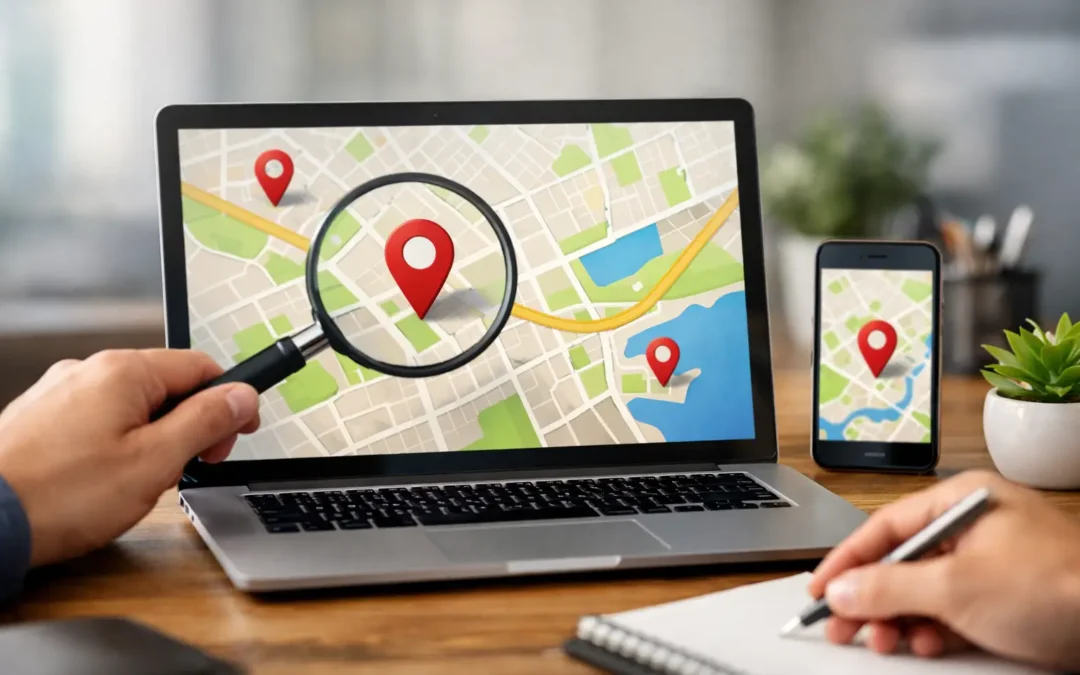
A customer searching “emergency plumber near me” or “business attorney in [city]” is not researching for fun. They are looking for a company they can call, visit, or request a quote from now. This local search optimization guide is built for businesses that want to win those high-intent searches before a competitor captures the lead.
Local visibility is not a vanity metric. A strong presence in Google Maps and local organic results can drive calls, direction requests, form submissions, and booked appointments from people already in your market. The opportunity is substantial, but so is the competition. A basic website and an unmaintained business listing will not carry a company in a crowded local category.
Local Search Optimization Guide: What Actually Drives Rankings
Google wants to show a nearby, credible answer to a searcher’s problem. For local results, the major ranking factors are relevance, distance, and prominence. You cannot change where a searcher is standing, but you can make your business more relevant to the query and more credible than the alternatives.
Relevance comes from clearly communicating what you do, where you do it, and which customer needs you solve. Prominence comes from signals such as reviews, authoritative mentions, quality links, strong website content, and consistent business information across the web. Distance is why a business may rank exceptionally well in one neighborhood and less visibly across town.
This is also why local SEO cannot be treated as a one-time checklist. Rankings shift by search location, competitors, review velocity, seasonality, and changes to Google’s results pages. The right approach is a disciplined system that improves the business profile, website, reputation, and measurement at the same time.
Build a Google Business Profile That Produces Action
Your Google Business Profile is often the first impression a local prospect gets of your company. It should not read like a directory entry. It should function as a conversion asset that confirms your services, location, trust signals, and next step.
Start with precise fundamentals. Use your real business name, correct primary category, accurate address or service area, local phone number, current hours, and website destination. The primary category carries real weight, so choose the category that most closely reflects the core service that generates revenue. Add relevant secondary categories only when they genuinely describe established services.
Your business description should explain who you help, the services you provide, and the markets you serve without stuffing city names into every sentence. Add high-quality, current photos of your team, office, vehicles, completed work, products, or projects. For service companies, visual proof can reduce hesitation before a visitor ever reaches the website.
Keep the profile active. Review services, hours, photos, questions, and updates regularly. If your company has seasonal offerings, temporary holiday hours, multiple departments, or new locations, inaccurate profile data can send ready-to-buy customers directly to competitors.
Do not create duplicate profiles, use virtual office addresses, or add locations where you do not have a legitimate customer-facing presence. Shortcuts can create suspension risk and undermine the visibility you worked to build.
Turn Your Website Into Local Proof
A Google Business Profile can generate immediate activity, but your website is where your business controls the message, captures leads, and builds broader authority. Every important local search campaign needs both.
Begin with a clear page for each core service. A visitor should immediately understand what the service includes, who it is for, why your company is qualified, and how to take the next step. Generic service pages that could belong to any company in any city are weak local assets.
Add geographic relevance where it makes sense. That may include a dedicated location page for a real office, service-area copy that explains where crews operate, local case studies, project examples, client testimonials, and details that show familiarity with the market. A Calgary roofing company, for example, can speak credibly about hail exposure, freeze-thaw conditions, permit expectations, and neighborhood-specific project experience. A law firm should focus on the jurisdiction, client concerns, and practice areas it actually serves.
Avoid producing dozens of thin pages that swap one city name for another. Those pages rarely help prospects and can weaken the site overall. Build location pages only when each page has distinct value, such as a staffed office, local team, unique services, local testimonials, or area-specific expertise.
Technical performance matters as well. Mobile visitors often search while on the move and will leave if a site is slow, confusing, or difficult to contact. Make phone numbers tappable, forms short, calls to action obvious, and service details easy to scan. A beautiful website that hides the quote form is still losing revenue.
Earn Reviews Without Creating Risk
Reviews influence both customer confidence and local prominence. They also reveal what prospects care about most: response time, professionalism, price clarity, results, and whether the business followed through.
The best review strategy is operational, not occasional. Ask customers after a successful service milestone, when the experience is still fresh. Train the team on when and how to make the request, and make the process easy without pressuring customers or offering incentives for positive feedback.
Respond to reviews consistently. Thank happy customers with a specific, professional reply rather than copying the same message every time. For negative reviews, acknowledge the concern, avoid arguing in public, and move the resolution offline when appropriate. A calm response will not erase a poor experience, but it shows future customers that your company takes accountability seriously.
Review quantity matters, but quality and recency matter too. Ten detailed reviews earned steadily can create more trust than a sudden batch of vague five-star ratings followed by months of silence.
Strengthen Local Authority Beyond Your Own Website
Search engines look for confirmation that a business is established in its market. Consistent name, address, and phone details across reputable industry and local directories help reduce confusion. More valuable still are real local mentions and links from organizations that have a credible connection to your company.
Think beyond generic directory submissions. Community sponsorships, local partnerships, chamber involvement, supplier relationships, event participation, expert commentary, and meaningful local projects can create legitimate visibility signals. These efforts work best when they reflect actual business activity, not when they are manufactured solely for a link.
For professional services and competitive home-service categories, authority is often the difference between appearing occasionally and holding meaningful map-pack visibility. A business with a polished profile but no reputation beyond its own website can struggle against companies with years of local proof.
Measure Leads, Not Just Rankings
Ranking reports are useful, but they are not the finish line. A business can rank first for a low-value query and still receive poor-quality leads. It can also rank outside the top three in one grid location while generating profitable calls from nearby areas. The performance question is simple: is local search producing qualified opportunities and revenue?
Track calls, form submissions, booked appointments, direction requests, and where possible, closed deals. Separate branded searches from non-branded searches so you can see whether local SEO is expanding demand or simply capturing people already looking for your company. Track performance by service line and location when those distinctions affect profitability.
Attribution will never be perfect. A customer may find you in Maps, revisit through organic search, then call from a phone number saved days later. That is why businesses need reporting that connects channels and trends rather than pretending every lead has one clean source. The goal is better decisions: which services deserve more investment, which locations need stronger proof, and where competitors are gaining ground.
When Local SEO Needs a Bigger Growth Plan
Local optimization is highly effective for businesses serving defined markets, but it is not a replacement for every marketing channel. If you need demand immediately, paid search can put your offer in front of active buyers while SEO gains momentum. If your sales cycle is longer, content, remarketing, email automation, and conversion-focused landing pages can help turn early interest into qualified consultations.
The strongest local growth plans connect these efforts. Your paid campaigns reveal high-converting search terms. Your SEO pages build lasting visibility around those services. Your analytics show which campaigns produce revenue instead of empty traffic. WYK Web Solutions approaches local search this way because rankings matter most when they support measurable business growth.
Start with the market you can serve exceptionally well, make every local signal accurate and credible, and give prospects a clear reason to choose you. That is how local search becomes a dependable source of leads rather than another marketing task left unfinished.